Best Destinations for Kayaking and Wildlife Watching Around the World

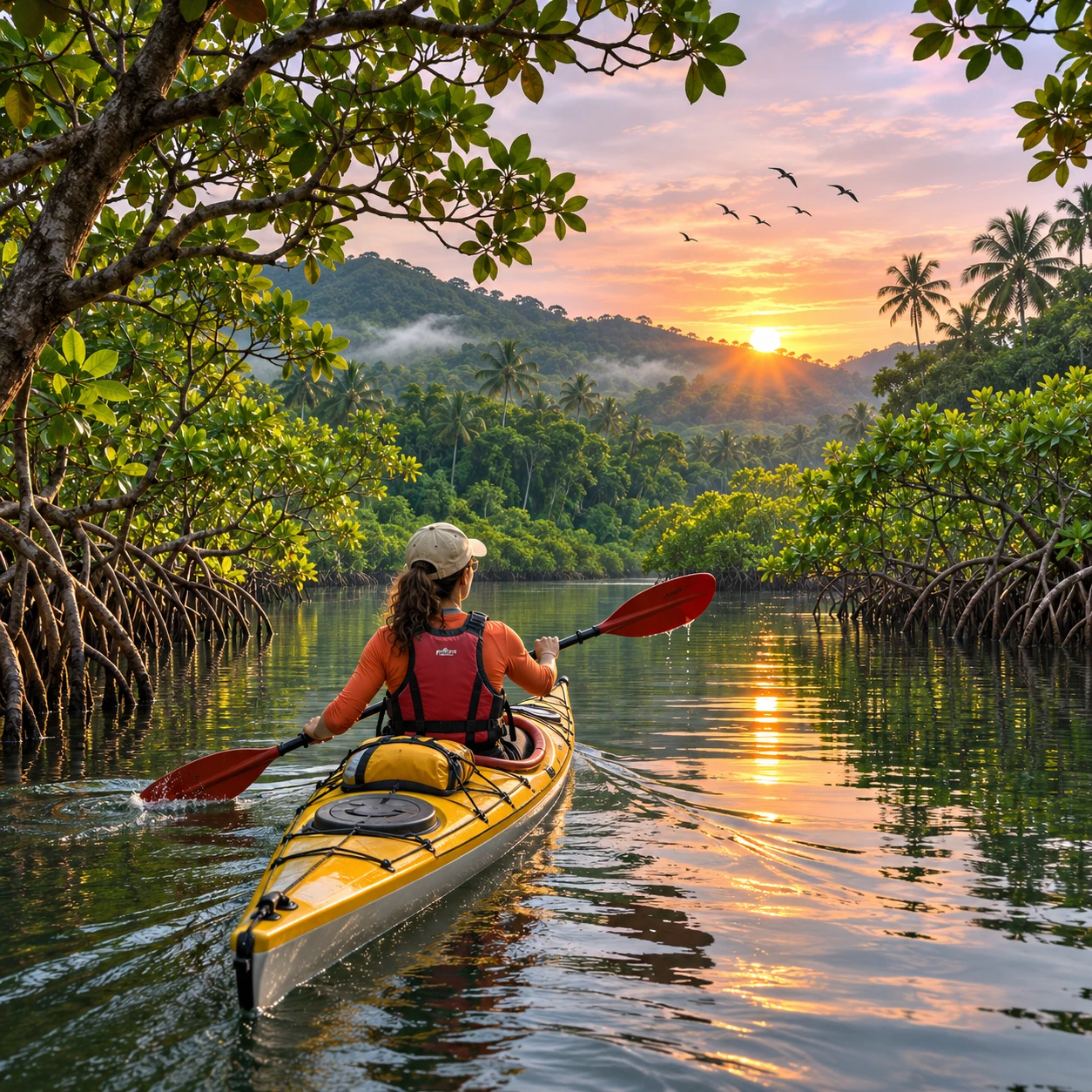
Kayaking brings you close to the rhythms of a place: the tide moving through mangrove roots, birds feeding along a wetland edge, or waves rolling into a fjord. The best destinations for kayaking and wildlife watching pair varied habitats with suitable paddling conditions and clear rules for protecting wildlife.
No location can promise a particular sighting. Species, weather, access, and seasonal conditions all shape a trip. These destination types offer distinct experiences, whether you prefer sheltered lagoons, open coastlines, or quiet freshwater routes.
What Makes a Destination Ideal for Kayaking and Wildlife Watching?
An ideal kayaking and wildlife destination combines accessible habitat, manageable water conditions, and responsible ways to observe animals. The strongest choices also offer local guidance and clear rules for protecting sensitive areas.
Start by matching the setting to your experience. Sheltered coastal lagoons and narrow waterways can suit beginners, while exposed sea kayaking routes may involve wind, swell, cold water, and longer distances. A scenic route is not automatically a safe one.
Look for habitat variety, too. Estuaries can connect salt marsh, mudflat, and river environments; mangroves shelter fish and birds; fjords and island coasts provide access to marine wildlife and seabird colonies. What you see depends on location and season, so treat wildlife viewing as an opportunity rather than a guarantee.
Before booking, check whether a tour operator limits group size, follows local wildlife approach rules, and explains how it handles tides, weather, and emergencies. A guided paddling tour can add local knowledge and safety support, but the guide’s conduct matters as much as the destination.
Mangrove Coastlines and Tropical Lagoons
Mangrove coastlines and tropical lagoons offer sheltered paddling through winding waterways, with opportunities for birdwatching and other wildlife observation from a respectful distance.
In mangrove forests, channels can be calm in suitable conditions, and the dense roots create a distinctive landscape best experienced at a slow pace. Paddlers may spot herons, kingfishers, shorebirds, or other locally present species. Wildlife varies by region, and a quiet stretch of water may be as rewarding as a sighting.
Look for protected lagoons and estuaries in tropical regions, including parts of Southeast Asia, Central America, and the Caribbean. Each has its own access rules, tides, and ecological pressures. Ask local guides which channels are open to visitors and whether certain areas should be avoided during nesting or other sensitive periods.
Keep paddles clear of roots and shallow beds. Avoid landing on vegetated banks, where a brief stop can damage plants or disturb resting animals. Quiet movement and distance make observation more rewarding; do not pursue animals to improve a photograph.
Fjords, Islands, and Temperate Coasts
Fjords, islands, and temperate coasts are ideal for sea kayaking among dramatic shorelines, with marine wildlife and seabirds possible along the route.
Fjords offer steep-sided waterways and sheltered coves, though wind, cold water, and changing conditions still demand preparation. Island archipelagos and temperate coastlines bring a different kind of variety: rocky shores, kelp beds, beaches, and open water. Depending on the region and season, paddlers may see seals, dolphins, seabirds, or other marine life. Sightings are never assured.
These routes can be more exposed than lagoon trips. Choose a guided tour if you are new to sea kayaking or unfamiliar with local currents and weather. Before launching, ask about route alternatives, water temperature, communications, and the guide’s plan if conditions worsen. Some shorelines and islands have landing restrictions to protect wildlife or fragile vegetation.
Bring warm layers and protection from sun and spray, even on a clear day. A stable, appropriately equipped kayak and a route suited to your ability matter more than covering distance. Give animals room to move and follow any local approach limits.
Rivers, Wetlands, and Inland Waterways
Rivers, wetlands, and inland waterways provide calmer alternatives to exposed sea routes, often with excellent birdwatching along reed beds, floodplains, and wooded banks.
Slow-moving rivers and protected wetlands reward patient paddling. Waterbirds may feed or rest near the edges, while fish, amphibians, and other wildlife can be present beneath the surface. The best way to explore is often a short, quiet route with a local guide who knows which channels are safe and where nesting or feeding areas need extra space.
Water levels can rise or fall with rainfall and seasonal conditions, changing both access and difficulty. Check current advisories and local rules before setting out. Avoid paddling through dense reeds or shallow areas simply to get closer to birds; these places can serve as shelter and feeding habitat.
For first-time paddlers, a calm, guided route can provide a useful introduction to boat handling and wildlife etiquette. Ask whether the tour supplies suitable flotation equipment and what happens if weather or water conditions change. Birdwatching from the kayak works best when the group moves slowly and leaves quiet gaps between conversations.
How to Choose the Right Trip and Season
Choose a kayaking trip by comparing your paddling experience, the route’s exposure, your wildlife interests, and the season’s local conditions. Confirm details with a knowledgeable local operator before booking.
Use this simple decision sequence:
- Match the water to your skills. Beginners can start with sheltered lagoons or calm guided waterways; exposed coasts require more experience and preparation.
- Choose a habitat, not a promised sighting. If birdlife is your priority, ask which habitats the route visits. If you hope to see marine wildlife, ask about responsible viewing practices rather than guarantees.
- Check timing and conditions. Weather, tides, water levels, and seasonal wildlife patterns differ by destination. Confirm local access restrictions and forecasts close to departure.
- Assess the operator. Ask about group size, safety equipment, guide qualifications, wildlife rules, and cancellation plans for unsafe conditions.
Seasons can influence wildlife activity, access, and comfort, but there is no universal best month. A period with more activity may also mean crowded routes or sensitive nesting areas. A responsible guide should explain the trade-offs and adjust the itinerary when conditions call for it.
Pack a properly fitted personal flotation device, weather-appropriate layers, sun protection, and a dry bag for essentials. Bring binoculars only if you can secure them safely, and use a refillable water bottle. Your operator can advise on any additional equipment needed for the route.
Kayak Responsibly and Travel Lightly
Responsible kayaking means keeping a safe distance from wildlife, staying on permitted routes, carrying out waste, and following local guidance. These habits reduce disturbance in habitats that may be sensitive to noise, landing, and repeated visitor traffic.
Use Leave No Trace principles on and off the water. Pack out all rubbish, avoid single-use items where practical, and do not feed wildlife. Keep voices low, never block an animal’s route, and retreat if an animal changes its behavior because of your presence. Follow local guidance on how far to stay away; rules vary by species and place.
Choose operators who brief guests before launch and keep groups at a manageable size. Ask whether they avoid sensitive breeding or resting sites and how they respond when wildlife is nearby. A tour that turns back rather than approaching an animal is showing good judgment.
Travel choices on shore matter as well. Refill water instead of buying multiple disposable bottles, use established launch points, and select lodging that manages waste and respects local ecosystems. Low-impact choices cannot remove every effect of travel, but they can help reduce avoidable pressure on the places you visit.
Building a Lower-Impact Adventure Base
A lower-impact adventure base supports the trip with practical water and energy choices while respecting local conditions and community needs. Water filtration and renewable energy systems can be useful, but they must be selected for the site and maintained well.
For a lodge or remote camp, safe water filtration can reduce reliance on bottled water when the source, treatment method, and maintenance plan are appropriate. Travelers should still follow local drinking-water advice and ask whether refill stations are available. Filtration is not automatically suitable for every contaminant or water source.
Renewable energy systems, including solar power and, in the right setting, micro-hydro, can support lighting or essential operations. Micro-hydro depends on local flow, elevation, permitting, and ecological assessment; it is not a universal solution for a riverbank property. Poorly sited infrastructure can disrupt water systems and habitat.
As a guest, look for clear, modest evidence of responsible operations: maintained refill points, waste sorting, energy conservation, and respect for local rules. The most credible eco-adventure stays explain what their systems can and cannot do rather than presenting a technology as impact-free.
Frequently Asked Questions
What should I bring on a wildlife-focused kayaking trip?
Bring a fitted personal flotation device, suitable layers, sun protection, drinking water, and a dry bag. Follow your guide’s equipment list, which may vary with water temperature, route length, and weather.
How can I watch wildlife without disturbing it?
Stay at the distance recommended by local rules, paddle quietly, and never feed, chase, or surround animals. If wildlife changes its behavior, give it more space or leave the area.
Do I need kayaking experience to join a guided tour?
Many operators offer beginner-friendly outings on sheltered water, but requirements vary. Be honest about your ability and ask about route difficulty, safety equipment, and conditions before booking.
How do seasons affect wildlife sightings?
Seasons can change animal activity, weather, water levels, and access. Ask a local operator what is typical for the specific route and dates, and plan for a worthwhile trip even if wildlife stays out of view.