The Ultimate Guide to Eco-Adventure Travel: Combining Wildlife Viewing and Kayaking

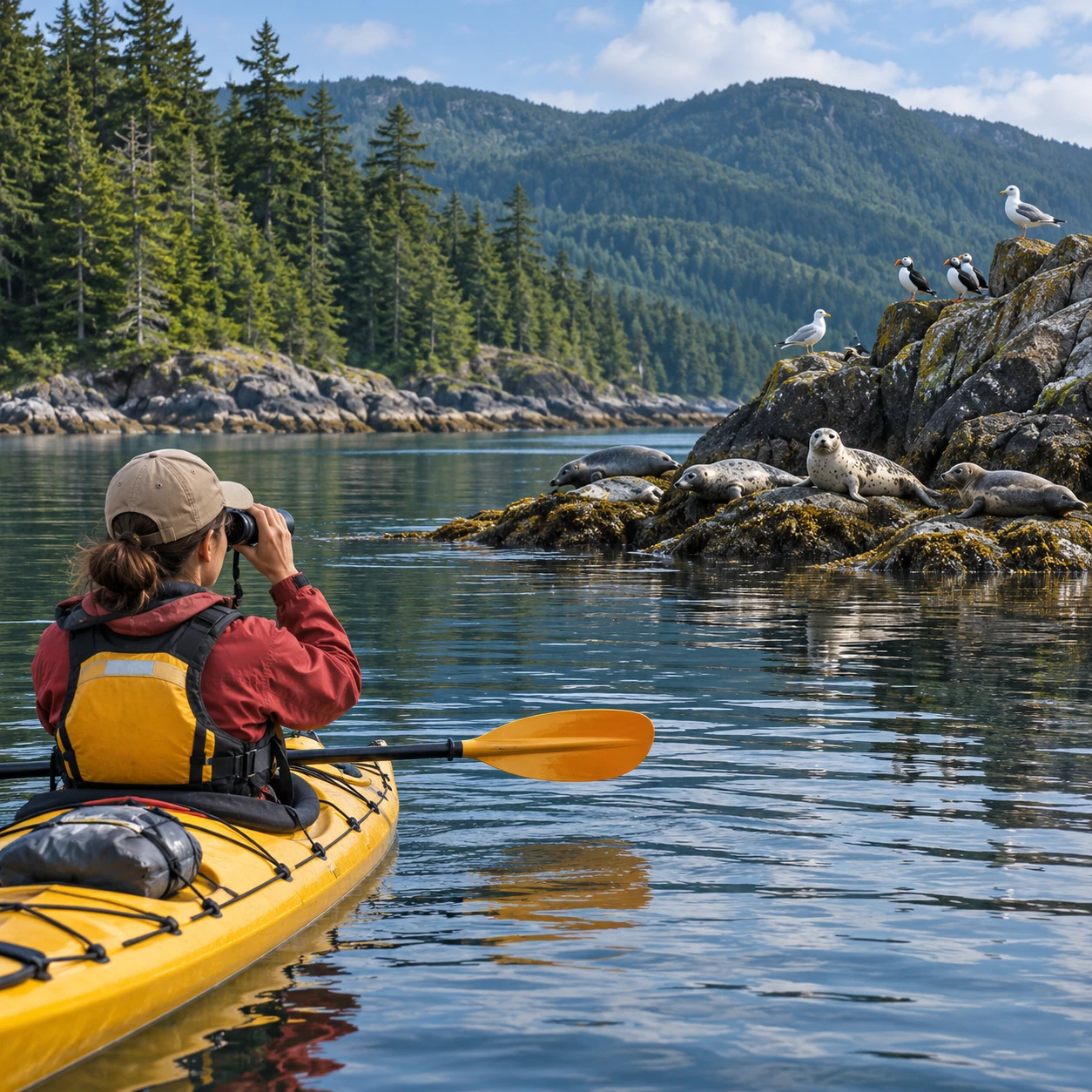
Eco-adventure travel pairs outdoor discovery with choices that protect the places and communities you visit. A kayak can offer a quiet way to see wildlife, but the experience depends on preparation: select an appropriate route, follow local guidance, and put animal welfare ahead of a close-up view.
This guide covers practical planning, low-impact camping and packing, water treatment, and the limited role renewable energy systems such as micro-hydro can play on a trip. Wildlife encounters are never guaranteed; a successful journey can be one that leaves the habitat undisturbed.
What Makes a Kayaking Trip an Eco-Adventure?
A kayaking trip is an eco-adventure when it combines time outdoors with deliberate steps to reduce environmental impact and respect local people and wildlife. The focus is on responsible tourism, not on collecting sightings or reaching a destination at any cost.
That approach starts before launch. Check whether access is permitted, learn which habitats are sensitive, and choose a route suited to your experience and the conditions. On the water, travel quietly, keep a suitable distance from animals, and avoid landing on fragile shorelines. On land, follow Leave No Trace principles: use established campsites where available, pack out waste, and leave natural and cultural features as you found them.
Eco-adventure does not mean every trip must be remote or self-sufficient. A guided day paddle with a local operator may have a lighter footprint than an ambitious expedition requiring long drives, extra equipment, and uncertain camping. Match the scale of the adventure to your skills and the place’s capacity.
Plan a Route for Paddling and Wildlife Viewing
Choose paddling routes based first on your ability, weather, water conditions, and safe access; treat wildlife viewing as a possibility rather than a promised outcome. A suitable route lets you travel safely without pushing into sensitive habitat.
Before choosing a launch point, check maps, tide or current information, forecast changes, access rules, and the distance to a safe exit. A sheltered lake or protected bay may suit a beginner better than a coastal crossing, where wind, swell, and changing tides can quickly raise the risk. For rivers, account for current, water levels, obstructions, and the difficulty of getting off the water.
Research wildlife guidance from the relevant land or marine authority. Seasonal closures, nesting areas, haul-out sites, and local approach distances vary by species and location. In the United States, the U.S. Fish and Wildlife Service provides information about wildlife and protected areas; also check the specific park, refuge, or local agency responsible for your route.
- Match the route to the least experienced paddler, not the strongest person in the group.
- Plan a conservative turnaround time and identify landing or exit options in advance.
- Share your itinerary and expected return time with someone on shore.
- Carry required safety equipment, including a properly fitted personal flotation device, and know how to use it.
Conditions can change faster than a route description suggests. If wind, visibility, water level, or fatigue makes the plan unsafe, turn back or choose another day. A wildlife opportunity is never a reason to ignore a hazard.
Observe Wildlife Responsibly from the Water
Responsible wildlife viewing from a kayak means keeping enough distance for animals to behave normally, moving quietly, and leaving them an unobstructed escape route. Follow local legal limits whenever they require more distance or stricter conduct.
There is no single safe approach distance for every animal. Species, season, habitat, and local regulations all matter. Watch for signs of disturbance: an animal repeatedly changing direction, calling, abandoning a resting place, diving, or moving away. If you see these behaviors, stop approaching and increase distance. Never paddle between an adult and young, surround a group, pursue an animal, or enter a nesting or breeding area.
Reduce noise by speaking softly and avoiding sudden strokes near wildlife. Keep your route predictable, and do not block channels animals use to move between water and shore. Binoculars or a camera with a longer lens can provide a better view without bringing the kayak closer. Do not feed wildlife; food can alter natural behavior and create risks for animals and people.
Wildlife disturbance can happen even when a paddler means well. If an animal approaches, avoid reaching toward it or trying to draw it nearer. Follow the applicable local guidance, give it room, and leave calmly. Respectful observation often means seeing less detail while allowing the animal to carry on undisturbed.
Pack for a Low-Impact Kayaking Trip
Pack the essentials for safety, changing conditions, and waste-free travel, then keep the load manageable. Durable, repairable gear can reduce disposable waste, but carrying too much adds weight and can make a kayak harder to handle.
Use a checklist that separates safety equipment from comfort items. Essentials commonly include a fitted personal flotation device, suitable clothing for water and weather, navigation tools, communication equipment, sun protection, first aid, and emergency supplies appropriate to the route. Requirements differ by location and vessel, so verify local rules before departure.
- Carry food in reusable containers and bring a secure bag for all trash, including scraps and wrappers.
- Choose refillable bottles and pack only the water and treatment capacity your route requires.
- Use repair tape or a small repair kit where appropriate, rather than treating damaged gear as disposable.
- Keep spare clothing and sensitive equipment in dry bags; distribute weight so the kayak remains stable.
Do not remove safety items to save space. Instead, trim duplicate comfort gear and plan meals that need less packaging. For longer trips, check whether fuel, food, and waste can be managed safely at your intended campsites. A lighter pack is useful only if it still supports a safe, responsible trip.
Make Camp and Water Use More Sustainable
Camp on durable, permitted surfaces and treat drinking water with a method suited to the water source and its known risks. A filter can reduce some contaminants, but it is not a universal guarantee of safe water.
Use established campsites when available, and follow restrictions on fires, overnight stays, and shoreline access. Keep cooking, washing, and toileting away from water according to local rules. Pack out all rubbish and leftover food; burying scraps can attract animals and leave a lasting trace. In fragile or protected areas, camping may be prohibited even where a spot looks undisturbed.
For drinking water, consult local advisories and product instructions. Filters vary: some remove protozoa and bacteria, while others may not address viruses, chemicals, or dissolved contaminants. Depending on the source and local health advice, boiling, chemical disinfection, or a combination of methods may be needed. Turbid water may require settling or pre-filtering before treatment. Filtration is not a substitute for checking water risks, and untreated water should not be assumed safe because it looks clear.
Carry enough treated water for the route and conditions, and avoid washing equipment or disposing of treatment chemicals directly into natural water. The right water plan depends on access to resupply, source quality, group size, and trip length.
Where Renewable Energy Fits into Eco-Adventure
Renewable energy can support an eco-adventure base, but micro-hydro is suitable only where water flow, legal access, safety, and ecological conditions allow it. It is a site-specific option, not a default power source for a kayak trip.
A small micro-hydro system uses flowing water to generate electricity, often for a fixed cabin or established remote camp. It generally needs a dependable flow and a workable elevation drop, plus equipment and a safe installation. A temporary campsite may lack the permissions, infrastructure, or appropriate water conditions. In-stream equipment can also affect habitat or interfere with water use, so environmental review and local approval matter.
For most paddling trips, the simpler choice is to minimize electrical demand and use portable charging options suited to the trip. At a permanent eco-adventure site, compare micro-hydro with other renewable energy systems based on seasonal availability, maintenance, and effects on the surrounding environment. Choose micro-hydro for a suitable site, while accepting that it can require ongoing upkeep and may not provide consistent power during low-flow periods.
Build a Trip That Benefits Nature and Local Communities
A responsible eco-adventure follows local rules, supports trustworthy local businesses, and avoids putting pressure on wildlife or communities for the sake of an itinerary. The quality of a trip is measured partly by what it contributes and what it leaves untouched.
Before booking, ask operators how they manage wildlife encounters, group size, waste, and access to sensitive locations. A responsible guide should explain local behavior rules and be willing to change a route when conditions or animal activity call for it. Avoid businesses that promise guaranteed sightings or advertise close contact with wild animals.
Use local services where practical, pay any required access fees, and follow community guidance about cultural sites and customary use of waterways. Leave time and budget for weather changes rather than relying on a rigid schedule. Local knowledge can improve both safety and understanding, though hiring a guide does not remove your responsibility to follow regulations and minimize impact.
Before departure, use a simple four-part check: place, people, wildlife, and footprint. Confirm that the route is allowed and safe, that local guidance is respected, that animals can avoid your group, and that your transport, gear, camping, and waste plan are proportionate to the trip.
How close should kayakers get to wildlife?
There is no universal distance. Follow local laws and species-specific guidance, stay farther away if an animal shows signs of disturbance, and never pursue, surround, feed, or block its path.
What should beginners consider when choosing a kayaking route?
Choose a short, sheltered route that matches the group’s skills and has clear access and exit points. Check the forecast, currents or tides, local rules, and safety equipment requirements, and consider going with a qualified guide.
How can travelers treat drinking water on a paddling trip?
Check local water advisories, then select a filter or treatment method designed for the risks at that source. Follow the manufacturer’s instructions; boiling or disinfection may be needed because many filters do not remove every pathogen or contaminant.
Is micro-hydro practical for a remote campsite?
Usually, it is practical only at a suitable, established site with reliable flow, legal approval, safe installation, and acceptable environmental effects. For a temporary campsite, the equipment and site requirements often outweigh the benefit.