How to Plan a Wildlife Kayaking Trip for Beginners

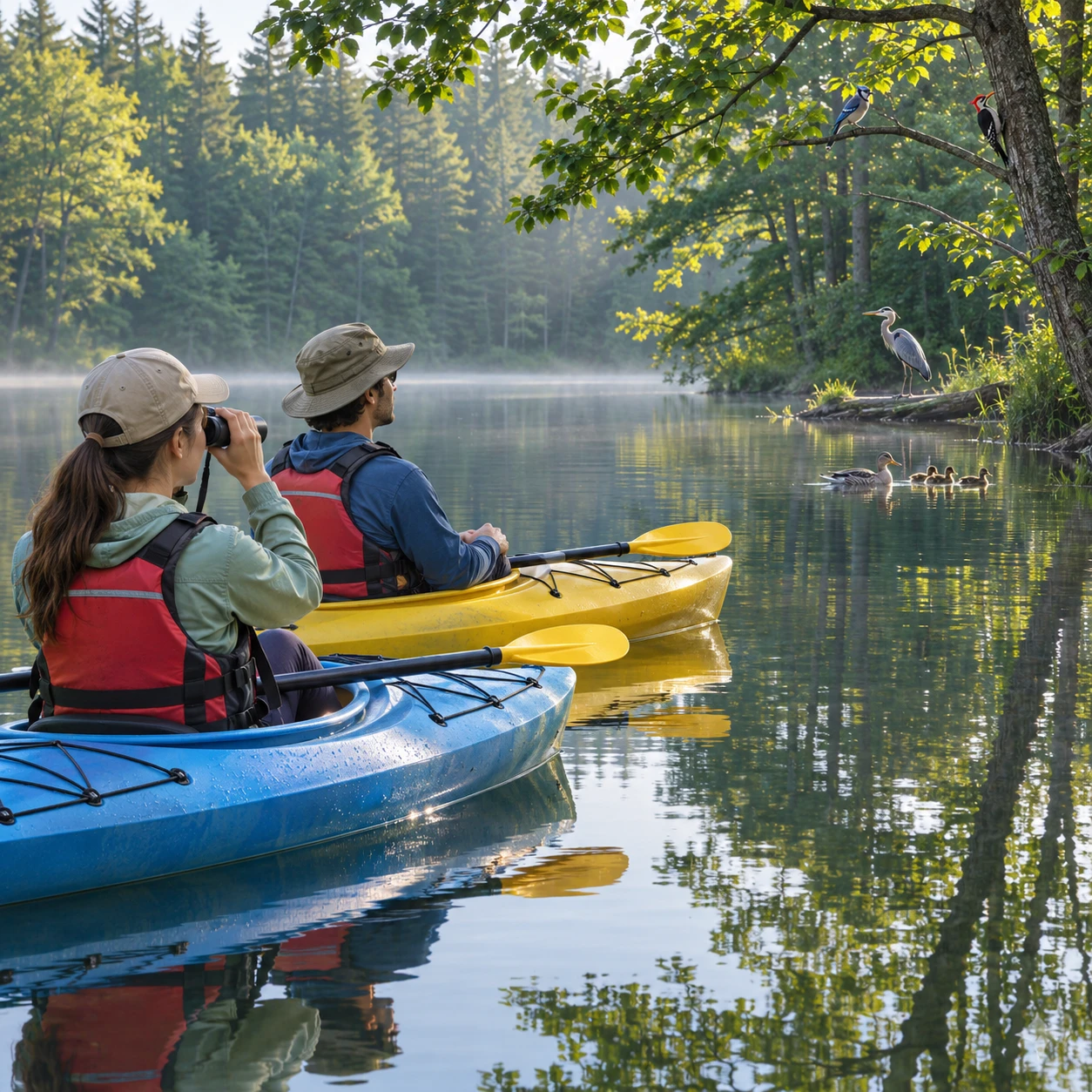
A wildlife kayaking trip can be a peaceful way to explore a lake, slow river, or sheltered coast. For a first outing, success means choosing water that matches your skills, preparing for changing conditions, and giving animals room to behave naturally. Sightings are never guaranteed, but thoughtful planning makes the journey safer and gentler on the place you visit.
Choose the Right Trip for Your Experience
Choose a short, sheltered route with easy access and calm conditions for your first wildlife kayaking trip. Match the water, distance, and duration to your current skills, and consider a guide if you are new to paddling or local conditions.
A beginner-friendly kayak should feel stable and fit your body; a recreational sit-on-top or broad, stable touring model is often easier to manage than a narrow kayak designed for speed. Try the boat on calm water before committing to a full day. If you cannot control it comfortably, choose another option or take a lesson.
For a first trip, plan a few hours rather than a remote overnight journey. A short out-and-back route lets you turn around early if wind, fatigue, or nerves become an issue. Avoid rapids, strong currents, exposed coastlines, and long open-water crossings until you have the skills and instruction for them.
A qualified local guide can help with launch points, route choices, paddling technique, and wildlife etiquette. The trade-off is less freedom to set your own pace, but beginners gain local knowledge and support while learning. Look for a guide who uses small groups and follows local wildlife rules.
Pick a Route, Season, and Time of Day
Pick a route with reliable access, suitable water conditions, and a safe place to launch and land. Check local regulations, seasonal closures, forecasts, and water levels before you choose a date.
Use a map to identify the route length, hazards, alternate landing spots, and the time needed to return. Check whether you need a permit, whether the launch is open, and whether motorboats or currents may affect the water. A quiet bay or protected lake can be a better first outing than a famous wildlife destination with heavy traffic.
Season affects both conditions and animal behavior. Spring may bring nesting birds and sensitive shoreline areas; hot summer days can increase heat risk and boat traffic. Local park or wildlife agency guidance can clarify seasonal restrictions and appropriate viewing distances. Always treat closures and posted signs as part of your route plan.
Wind can make paddling harder, especially on open water, and rain, cold, or changing flows can add risk. Check a reliable local forecast close to departure, then reassess at the launch. Morning may offer cooler temperatures and quieter water, but visibility, fog, and local conditions matter more than a preferred viewing time. For general safety guidance, review the U.S. Coast Guard’s recreational boating resources and follow the rules that apply where you paddle.
Keep your first route simple: note a turnaround time, a sheltered alternative, and the nearest safe landing. If conditions worsen, shorten the trip rather than trying to stick to the original plan.
Prepare Your Gear and Safety Plan
Wear a properly fitted personal flotation device (PFD), carry basic safety and communication equipment, and tell someone your route and return time. A float plan turns a casual paddle into a trip others can respond to if you do not return as expected.
Fit the kayak before launch: adjust the footrests and seat so you can sit securely and control the boat. Wear the PFD throughout the trip, not just when conditions look rough. Bring a whistle and a communication device suitable for the area; a phone in a waterproof case may be useful near service, while remote routes may require another emergency option.
Dress for the water temperature and the chance of getting wet, not just the air temperature. Quick-drying layers and sun protection help on warm days; cold water calls for more protective clothing and conservative route choices. If you are unsure how to respond to a capsize in the expected conditions, take a lesson or choose a guided trip before going farther.
Pack essentials in dry bags secured inside the kayak, including spare clothing, food, and a first-aid kit. Carry a map or suitable navigation tool, plus a headlamp if there is any chance of returning late. Keep equipment accessible without cluttering the cockpit.
- Share your route, launch point, group members, and expected return time with a trusted person.
- Set a firm turnaround time and agree on a plan for changing weather or separation.
- Check the kayak, paddle, PFD, forecast, and communication devices before leaving shore.
- Do not paddle alone on unfamiliar or remote water as a beginner.
A detailed plan cannot remove every risk. It does make it easier to spot when the safest decision is to wait, change the route, or cancel.
Practice Wildlife-Friendly Viewing
Observe wildlife from a distance that lets animals continue their normal behavior, and follow local rules for minimum viewing distances. Paddle quietly, never feed animals, and leave nesting or resting areas undisturbed.
Wildlife viewing distance varies by species, location, and regulation, so there is no single safe number for every encounter. Check guidance from the relevant park or wildlife agency before you go. If an animal changes direction, stops feeding, becomes alert, calls repeatedly, or moves away, you are too close: give it more space without chasing it.
Move slowly near shore and avoid sudden turns or splashing toward animals. Do not surround wildlife with a group of kayaks, block its route to open water, or approach a nest for a better photograph. Binoculars or a zoom lens let you see more while keeping a respectful distance.
Let the animal set the distance. Keep a clear escape route open and avoid lingering in narrow channels where wildlife has limited room to move. Follow Leave No Trace principles on shore, too: use established access points, take all rubbish with you, and avoid trampling plants or disturbing habitat. A sighting is a bonus, not a reason to break rules or prolong an approach.
Pack Food, Water, and Low-Impact Camp Supplies
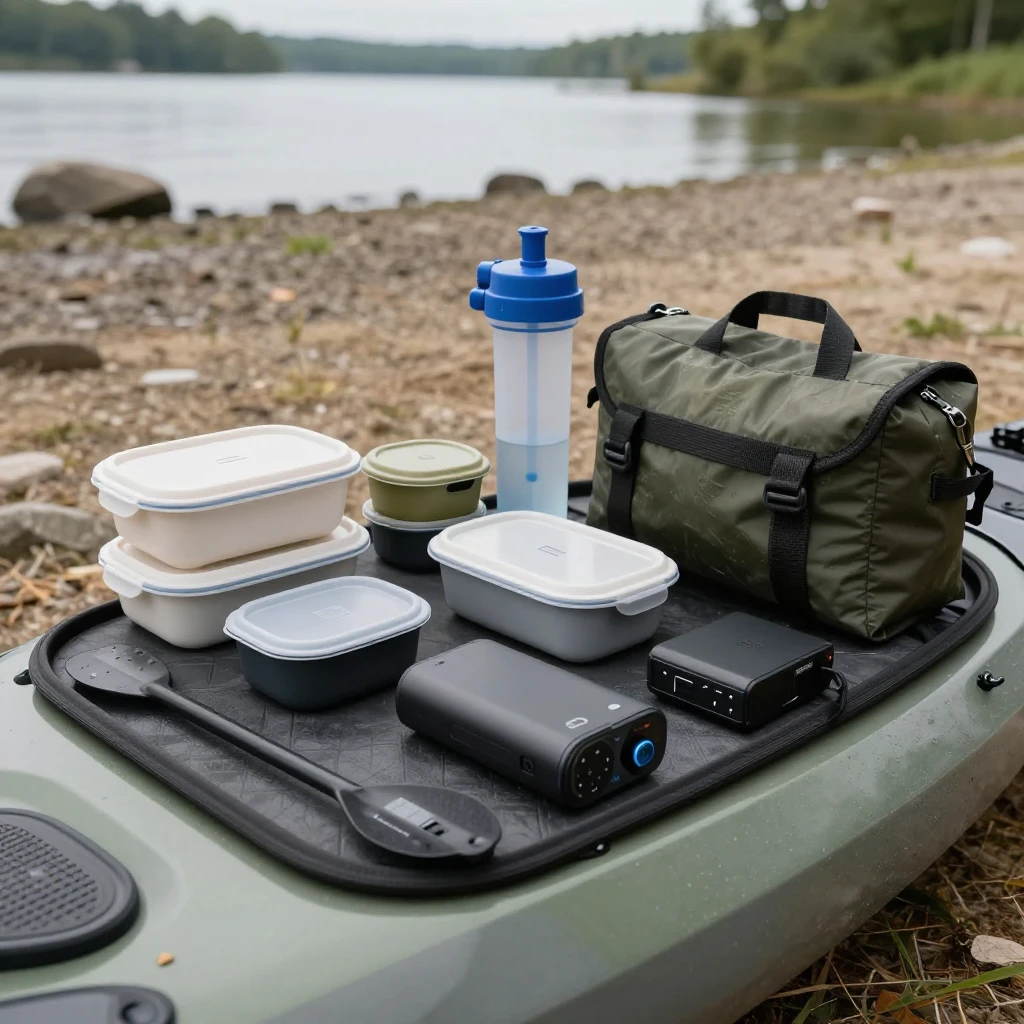
Bring enough drinking water for the trip and a reserve, and plan how you will carry out food scraps and waste. Water filtration can help on longer trips, but it must suit the water source and does not replace carrying a safe supply.
For a short paddle, carrying all the drinking water you need is usually the simplest choice. On longer outings, a filter or purifier may reduce the amount of water you carry, but its effectiveness depends on the device, source, and contaminants present. Follow the manufacturer’s instructions, check local advisories, and treat water only from an appropriate source. When in doubt, carry more safe water rather than relying on an unfamiliar supply.
Pack easy-to-eat food in reusable containers and secure it so it cannot fall into the water. Take packaging, leftovers, and hygiene waste back with you. If you camp, use designated sites where available, keep food stored as local rules require, and use established fire facilities only when fires are permitted.
Micro-hydro power may suit a longer, permitted base camp near a consistent flowing-water source, but it is rarely practical or necessary for a beginner’s day trip. A micro-hydro system can involve equipment, site impacts, and approvals; never place or anchor a device in a way that obstructs waterways or harms habitat. For most short outings, a charged phone, a power bank, and simple low-energy habits are more appropriate.
Use a Simple Pre-Launch Checklist
Before launching, confirm the weather, water, route, safety equipment, and return plan. If any essential item or condition is uncertain, delay, change the route, or go with a guide.
- Conditions: Check the current forecast, wind, temperature, water level, and any local warnings.
- Route: Confirm access, regulations, distance, landing options, and a realistic turnaround time.
- People: Make sure everyone can paddle the planned route and wears a properly fitted PFD.
- Equipment: Check the kayak, paddle, dry bags, navigation, communication device, water, food, and first aid.
- Float plan: Give a trusted person the route, group details, and expected return time.
- Wildlife: Review local viewing distances and closures; plan to observe without approaching or feeding animals.
Start with a modest outing and notice what you would change next time: boat fit, pace, clothing, or water supply. That feedback is more useful than stretching a first trip to cover extra distance. A calm, well-planned paddle leaves room to learn and gives wildlife the space it needs.
Frequently Asked Questions
Beginners can plan a wildlife kayaking trip by choosing calm, accessible water, carrying essential safety gear, and following local wildlife guidance. These quick answers cover common first-trip questions.
What is a good first wildlife kayaking trip?
Choose a short route on a sheltered lake or slow, calm water with easy launch and landing access. Go with an experienced paddler or guide if you are unfamiliar with the area, and do not count on seeing wildlife.
Do beginners need a guide?
Not every beginner needs a guide, but one can be a sensible choice for learning paddling skills, understanding local conditions, and finding a route that fits your ability. Use a guide for unfamiliar or more complex water rather than attempting it alone.
What should I wear and pack?
Wear a fitted PFD and clothing suited to water temperature, with sun or cold-weather protection as needed. Pack water, food, a whistle, communication device, navigation, first aid, and dry bags for essentials.
How close can I get to wildlife?
Follow the local rules for the species and area, and stay far enough away that the animal behaves normally. If it reacts to your presence or moves away, back off and do not follow.
Can I filter water during a kayaking trip?
Yes, if the trip and water source are appropriate and your filter is designed for the risks present. Follow its instructions and local advisories; for a short beginner outing, carrying enough safe drinking water is usually simpler.